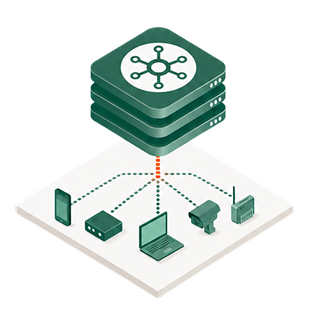
Private cellular networks carry your most critical operations. Without detection built specifically for this environment, breaches go unnoticed until it is too late. OneLayer surfaces the threats that standard security stacks cannot see and puts response in your hands.
How it works
OneLayer ingests data simultaneously from three layers: the control plane, the user plane, and the device identity layer. Detection runs across two modes in parallel, and alerts arrive with device history and investigation context attached.
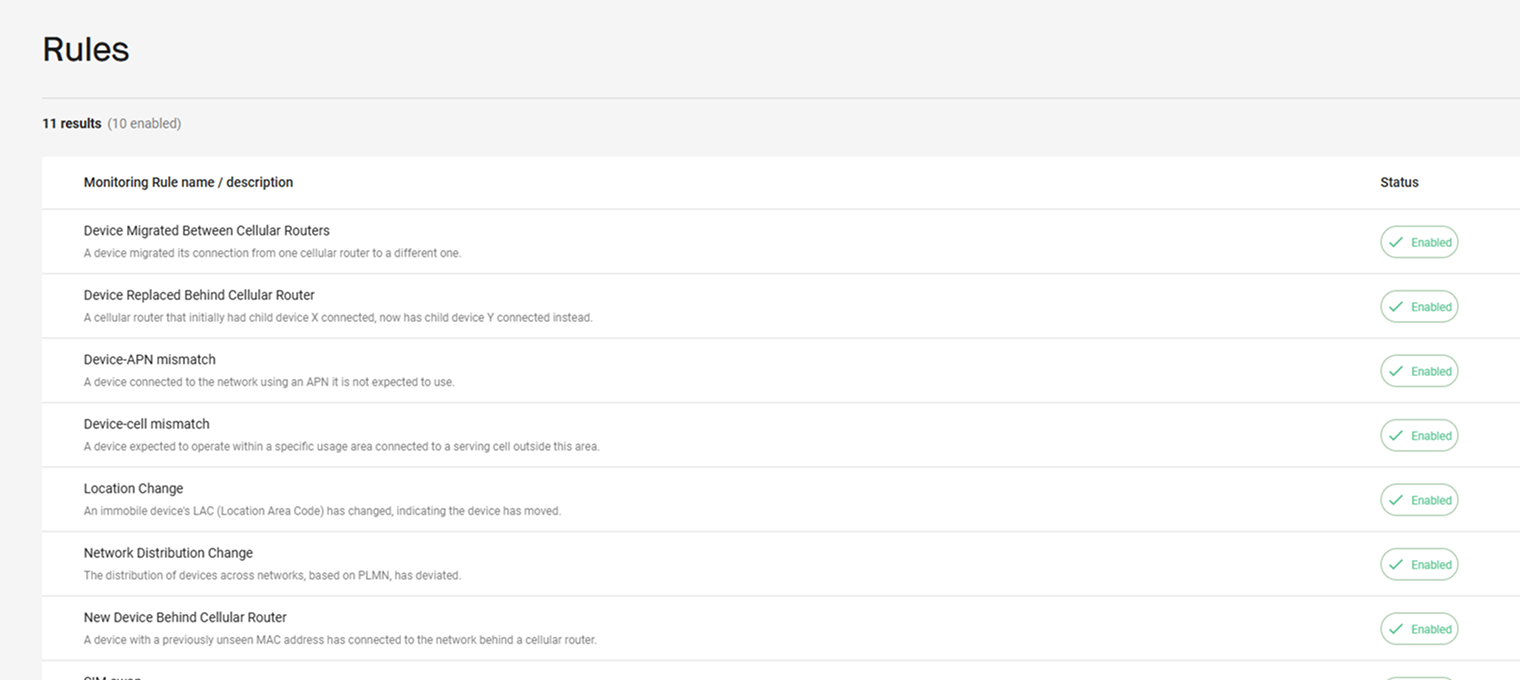
You define the rules; OneLayer enforces them. Set conditions on device identity, APN access, vendor allowlists, and session behavior. Any violation triggers an alert immediately, before damage is done.
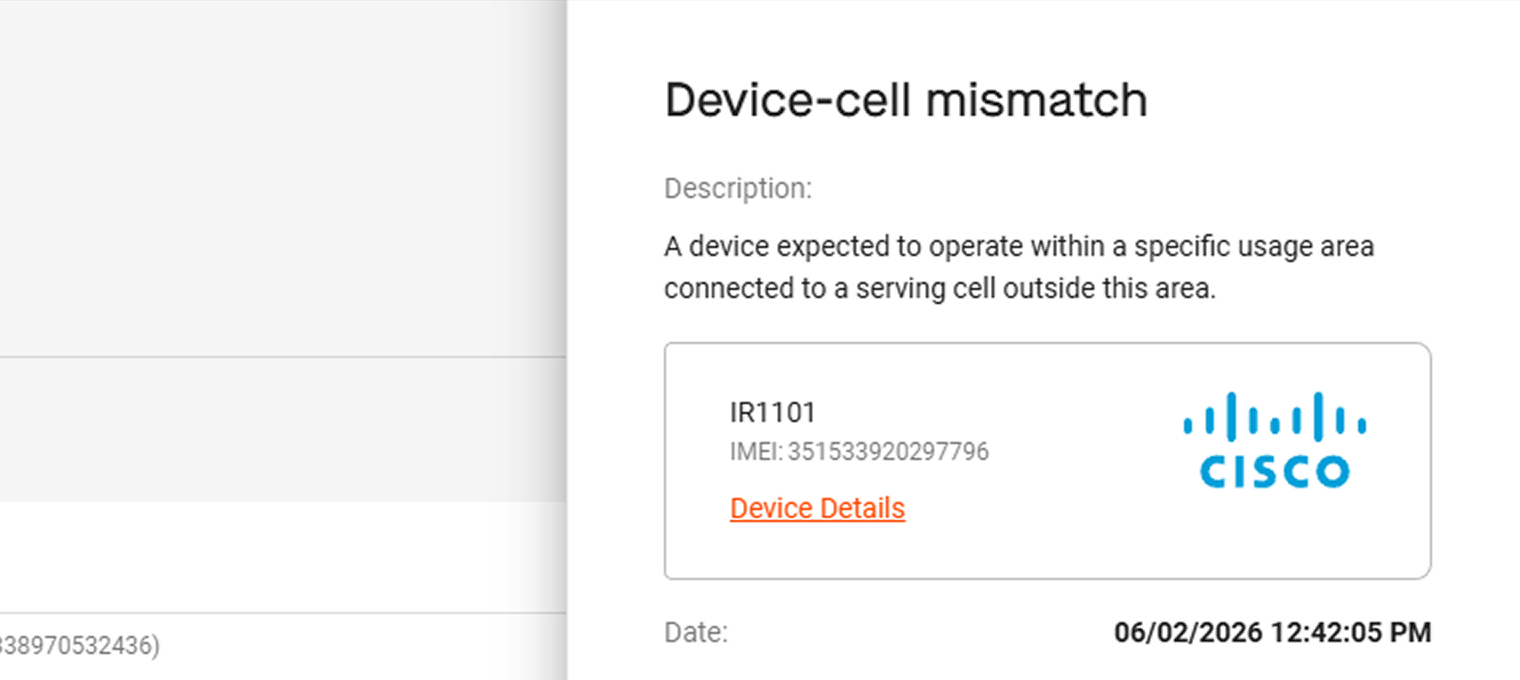
OneLayer detects threats that are specific to how private cellular networks operate: SIM-based identity abuse, device-to-APN policy violations, unauthorized manufacturer access, and location-based anomalies. These are known threat patterns tied to the cellular stack, not generic IT security alerts.
These are specific detections active in production deployments, not categories.
A device's reported identity does not match its observed behavior, indicating a potential impersonation attempt on the network.
A device connected with an IMEI that failed one or more integrity checks. Flags devices that may be using invalid or cloned identifiers.
A SIM previously associated with one device has been placed in a different device. Distinguishes planned asset management activity from unauthorized SIM transfers.
A device from a manufacturer not on your approved list connected to the network. Supports device provenance and supply chain integrity requirements.
A device connected using an APN it is not authorized to use. Indicates a policy violation that may signal misconfiguration or an unauthorized access attempt.
A device's reported identity does not match its observed behavior, indicating a potential impersonation attempt on the network.
A device was observed sharing its network connection with other devices. May indicate an unauthorized access point or unmanaged endpoint on the network.
A device with a previously unseen MAC address connected behind a cellular router. Flags unknown endpoints that may require investigation or enrollment.
A device shifted its connection from one cellular router to another. May indicate physical relocation, network failover, or movement outside expected operational boundaries.
A device expected to operate within a specific area connected to a serving cell outside that zone. Indicates possible device movement outside its authorized operational boundary.

How to get started
OneLayer starts by building a complete picture of every device on your network. Detection is grounded in a reliable inventory before the first rule fires, and improves continuously as your environment evolves.
OneLayer connects to your network's control plane signaling, the same channel devices use to authenticate and register. From that point, every attach attempt is captured in real time, before any issue reaches your helpdesk.
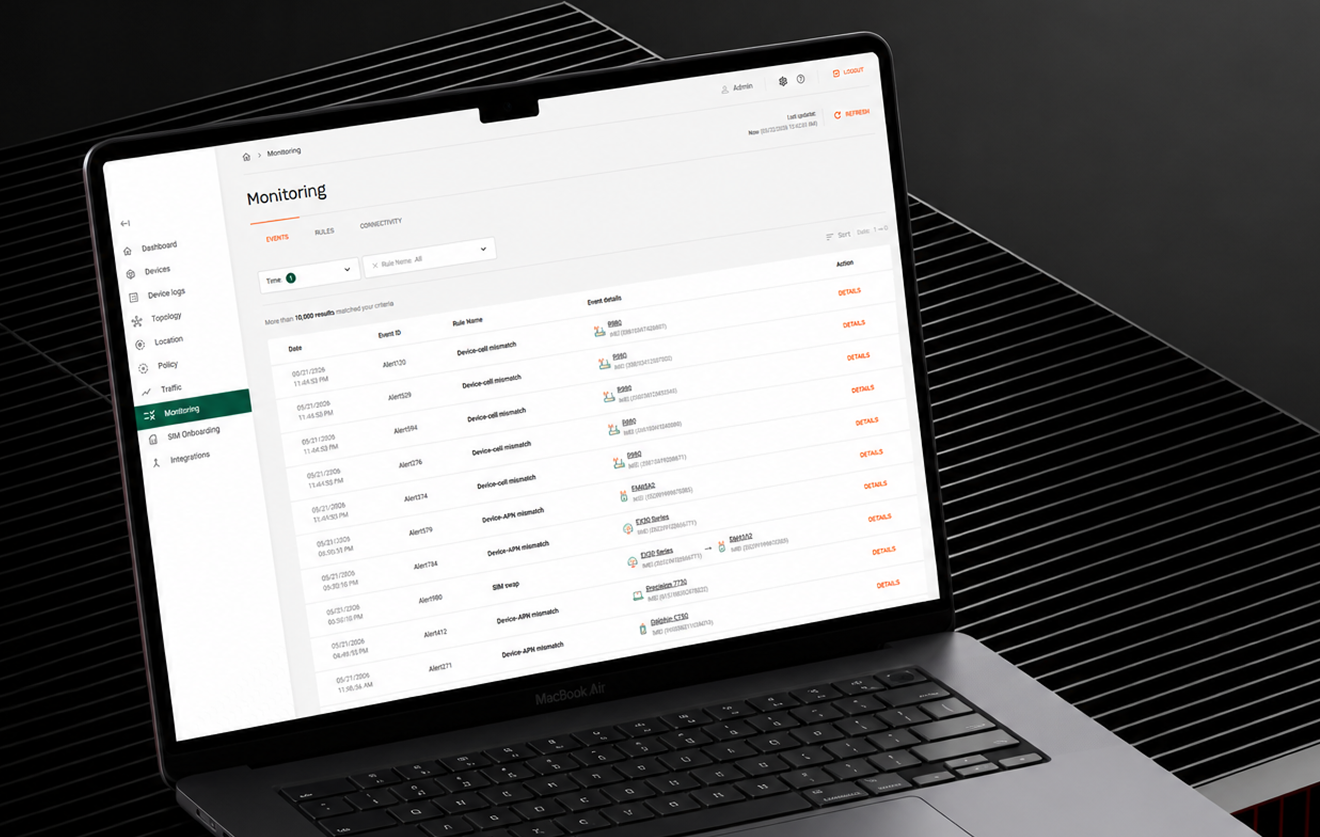
You activate detection rules across your threat categories: set approved vendor lists, APN access policies, severity levels, and automated response actions per rule type.
Prioritized alerts arrive with full investigation context: device history, group assignment, matched rule, and recommended action. Close cases manually or trigger automated responses. Every action is logged for compliance.
What Our Partners Are Saying
"Private cellular networks demand security solutions that can adapt as devices move and conditions change. By partnering with OneLayer, we're extending Check Point's prevention-first security architecture offering real-time and context-driven policy enforcement. This enables enterprises to gain tighter control, unified visibility, and advanced threat prevention across both legacy OT and modern IoT assets."

TRUSTED BY




Where this gets you
Your private cellular network is secure.
You can prove it.
Your security team operates with confidence: known devices, a clear audit trail of detections and responses, and the evidence to back it up. When a regulator asks about your network security posture, you have answers. When a threat surfaces, you have the context to act. Your private cellular network is no longer a blind spot.
Continuous monitoring across device identity, control plane events, and cellular-specific threat patterns gives your team a defensible view of what is on the network and what it is doing.
Every detection, response action, and case resolution is logged. Audits, incident reviews, and regulatory inquiries have answers that are documented, not reconstructed from memory.
As new devices join your network and your environment evolves, detection rules and device context are updated continuously. Coverage grows with your operations without manual rework.