Your CMDB fills itself, your firewall knows who it's enforcing on, and your SOC stops flying blind on cellular threats.
Certified Integrations





What OneLayer Bridge Does
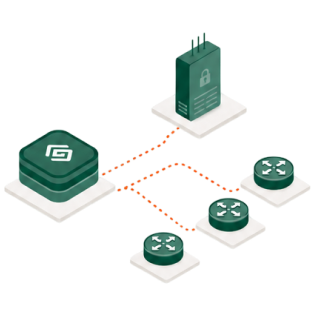
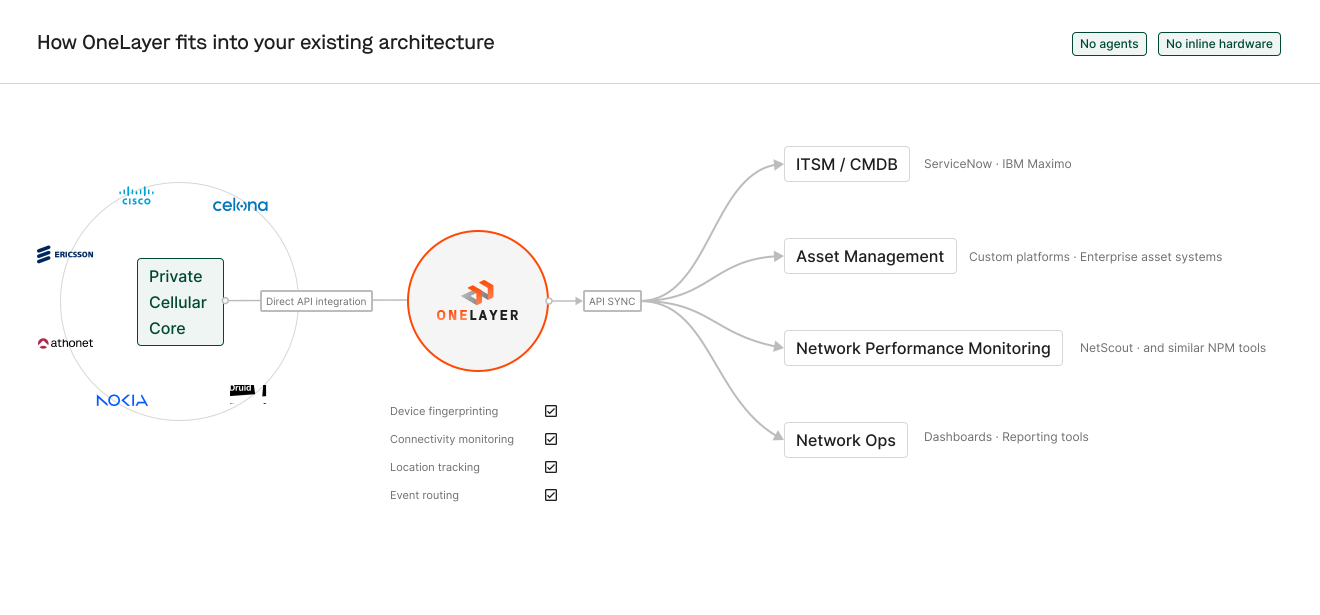
OneLayer connects to the enterprise systems your team already runs: a CMDB such as ServiceNow or IBM Maximo, a firewall such as Palo Alto Networks or Fortinet, and a SIEM such as Splunk or Microsoft Sentinel. It continuously exports device classification, group membership, and compliance state so every system acts on current, accurate information.

Cellular devices register automatically as enterprise assets in your CMDB, without anyone creating a manual entry or running a reconciliation script.
Your firewall enforces access policies based on device identity, not a raw SIM credential, so every rule reflects who is actually on the network.
Suspicious behavior and policy violations on the cellular network surface in your SIEM alongside every other enterprise threat, in real time.
How It Works
No hardware changes. No SIM replacements. No disruption to existing connectivity.
OneLayer integrates with the CMDB, firewall, and SIEM your team already operates, with no rip-and-replace required.
OneLayer discovers devices on your private cellular network, classifies them, and begins exporting identity context continuously.
Your CMDB updates, your firewall policy applies correctly, and your SOC sees cellular events, all without manual steps from your team.
What Our Partners Are Saying
"Private cellular and carrier APN deployments are increasingly central to how our enterprise customers operate, yet visibility and security across those environments has remained a persistent gap. OneLayer closes that gap in a way that maps directly to what our customers need."

What Changes After Deployment
From blind spot to full operational picture
A new device comes onto the cellular network. Within moments, it appears in your CMDB as a registered enterprise asset, your firewall policy updates to reflect its identity, and your SOC can see it alongside every other managed device.
The team that used to spend hours reconciling records across three separate systems now doesn't. That's a normal Tuesday.
Devices on your private cellular network appear as enterprise assets automatically, keeping your asset inventory current without a single manual step.
Access decisions are driven by device identity and classification, not by opaque SIM credentials that tell the firewall nothing about context.
Cellular security events flow into your SIEM with device identity attached, so analysts investigate from a complete picture, not a partial one.